
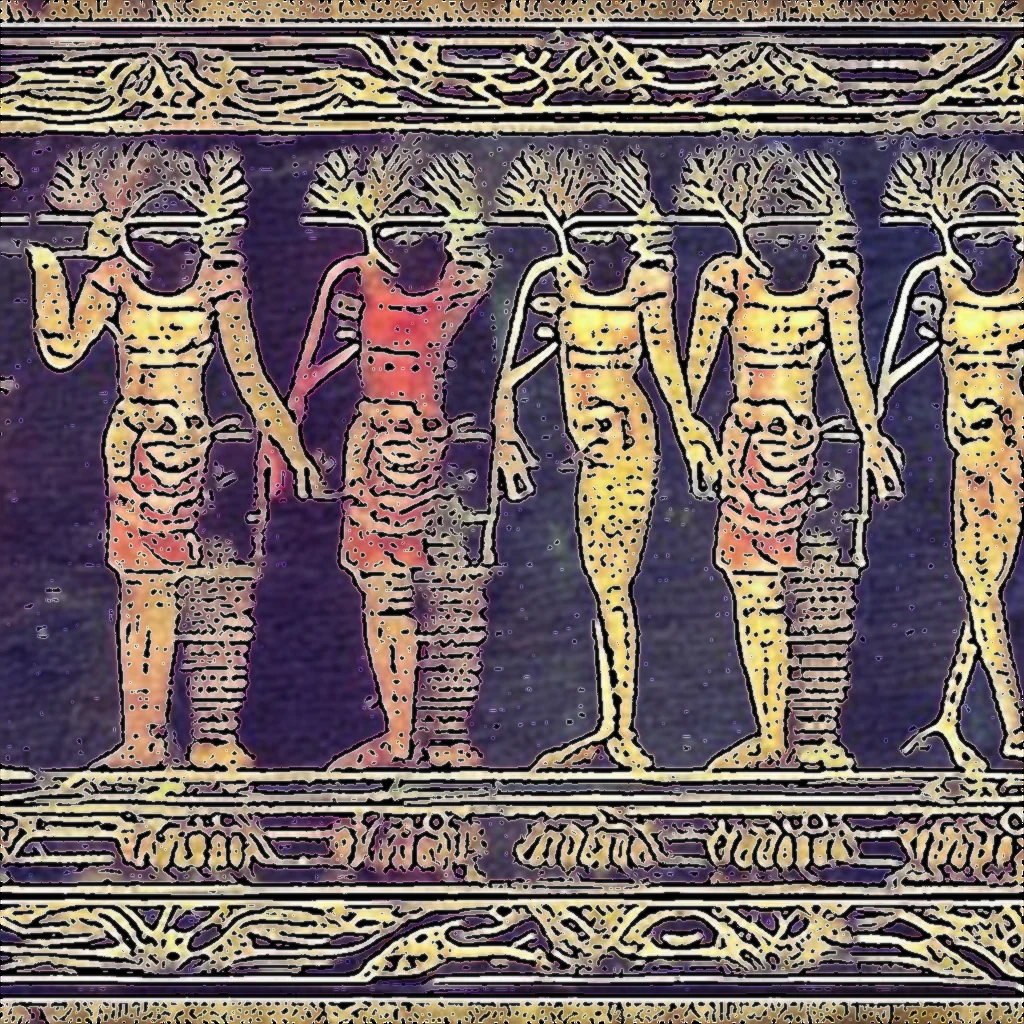
One of the most intriguing aspects of the ancient world is the existence of diverse cultures and civilizations. Each civilization possessed unique characteristics, beliefs, and practices. The Egyptians, for example, were renowned for their monumental architecture, intricate hieroglyphic writing, and complex religious beliefs. The Greeks, on the other hand, were known for their philosophy, democracy, and artistic achievements. The Romans, with their vast empire and sophisticated legal system, left a lasting legacy on Western civilization. The ancient world was not only characterized by its cultural diversity but also by its technological advancements.
The study of ancient societies is a complex and multifaceted endeavor. It requires a multidisciplinary approach, drawing on expertise from various fields such as archaeology, anthropology, history, and genetics. This interdisciplinary collaboration allows researchers to gain a more comprehensive understanding of the past. Archaeological excavations reveal a wealth of information about past societies. These excavations can provide insights into daily life, social structures, and cultural practices. For example, the discovery of a large burial mound in the Americas suggests a complex social hierarchy and a sophisticated understanding of death rituals.
This discovery, confirmed by genetic analysis, has significantly contributed to our understanding of the Avars’ origins and their role in the 6th-century European landscape. **The Avar origins have been a source of ongoing debate and uncertainty for centuries.**
The Avars were known for their fierce military prowess and their influence as a major power in the steppe-lands. They were responsible for the conquest of vast territories in Europe, pushing back the Byzantine Empire and establishing a significant presence in the region.
This suggests a degree of social stratification and a hierarchical structure within the Longobard society. The Longobards were known for their military prowess and their ability to adapt to changing circumstances. They were skilled archers and cavalrymen, and their military tactics were often characterized by surprise attacks and rapid movements.

news is a contributor at KnightsTreasure. We are committed to providing well-researched, accurate, and valuable content to our readers.