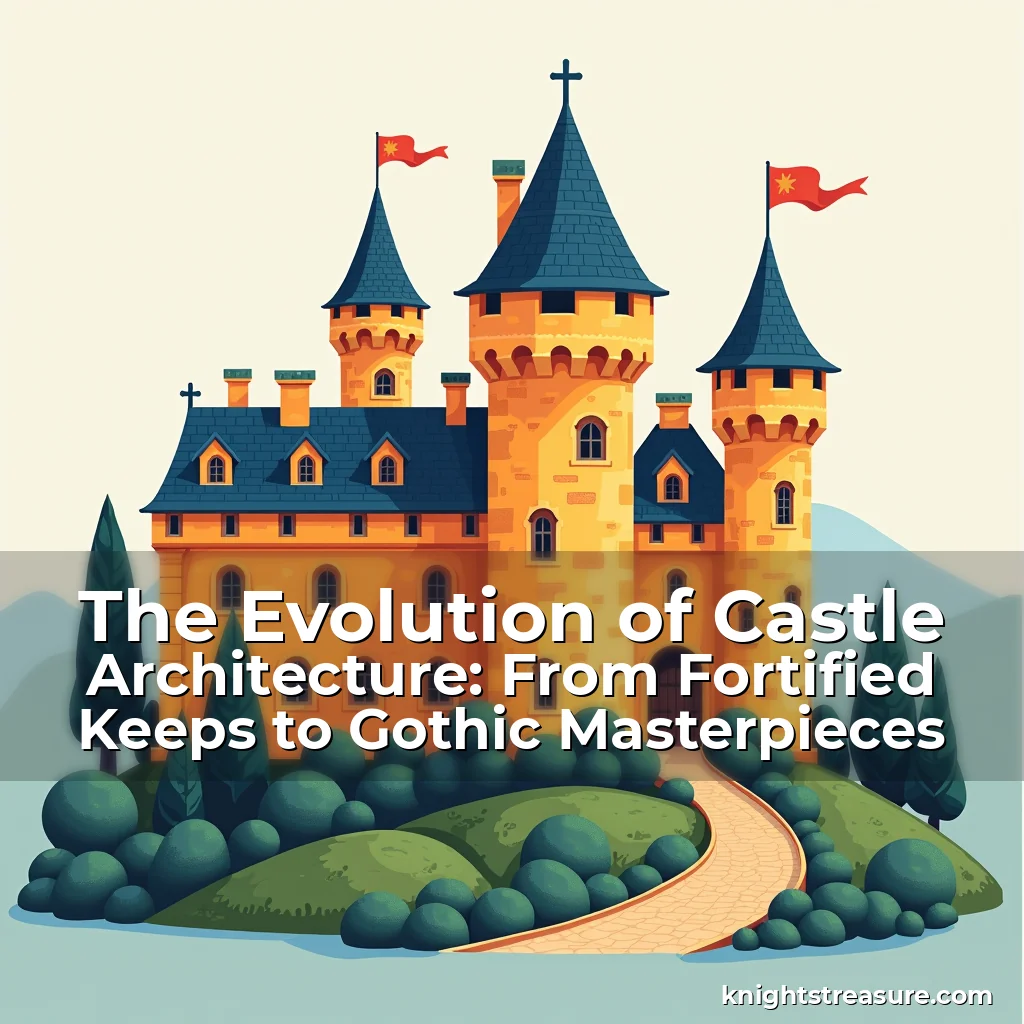
The Evolution of Castle Architecture: From Fortified Keeps to Gothic Masterpieces
In the annals of human history, few structures have captured the imagination as profoundly as castles. These towering edifices were not merely homes for royalty but symbols of power, resilience, and ingenuity. As we delve into the world of castle architecture, we uncover a rich tapestry woven from necessity, warfare strategies, and artistic expression across centuries.
The journey through time reveals how castle designs evolved dramatically—from simple wooden stockades to intricate stone fortifications that stood against sieges and storms alike. This exploration will illuminate key periods in architectural development, highlighting innovations that defined each era’s approach to building these iconic landmarks.
The Origins of Medieval Castles
Dating back to ancient civilizations such as Rome and Greece, early forms of fortified dwellings laid foundational principles for later medieval constructions. However, it was during the Dark Ages following the fall of the Western Roman Empire that true castles began emerging in Europe.
Roman forts often featured earthworks reinforced by timber palisades, while Greek city-states utilized natural topography to create defensible positions. Yet neither fully encompassed what would become characteristic features of medieval castles—massive stone walls and moats filled with water or spikes.
- Necessity of Defense: With frequent invasions threatening settlements, communities sought secure places where they could retreat safely.
- Social Hierarchy Reflected in Design: The layout typically mirrored societal structures; lords resided at higher elevations overlooking lower-ranking individuals below them within the same compound.
By the 9th century AD, Norman invaders introduced new techniques inspired by their experiences fighting Vikings and Moors. They favored motte-and-bailey designs which combined raised earth mounds topped with wooden keeps surrounded by enclosed areas known as baileys.
This innovation allowed quick construction using local materials without requiring extensive labor force or advanced engineering skills—a crucial advantage when establishing control over newly conquered territories rapidly.
Motte-and-Bailey Castles: Foundations of Fortress Building
The motte-and-bailey system revolutionized defensive architecture by offering both speed and effectiveness in fortress creation. It consisted primarily of two elements: an artificial hill called ‘the motte’ supporting a wooden tower or keep, along with a surrounding courtyard termed ‘the bailey.’
These components worked together synergistically; the elevated position provided strategic advantages for observation and defense whereas the bailey served multiple purposes including housing soldiers, storing supplies, and conducting daily activities away from potential threats.
Materials Used in Motte-and-Bailey Construction
Given its temporary nature compared to later stone-built counterparts, most motte-and-bailey castles relied heavily on readily available resources like wood and earth rather than expensive quarried stones. Timber was used extensively for constructing towers and buildings within the bailey area.
To reinforce stability against erosion caused by weathering effects, layers of compacted soil were added around the base of the motte structure. Additionally, ditches dug around outer edges acted as additional barriers deterring enemy approaches.
Despite being relatively less durable than subsequent developments in castle design, these initial models proved invaluable during times of conflict due to their rapid deployment capabilities across different regions under varying environmental conditions.
As feudal systems solidified throughout Europe, so too did demands placed upon military installations necessitating greater permanence and sophistication leading up towards transition phases involving full-scale stonework implementations soon after.
Transition to Stone Keep Castles: A Shift Toward Permanence
While initially effective for immediate needs post-conquest scenarios, wooden structures presented significant vulnerabilities especially regarding fire hazards posed by siege engines like trebuchets capable of hurling incendiary projectiles accurately over long distances.
Recognizing these weaknesses, European nobility gradually shifted towards adopting stone as primary material choice starting around late 10th century onward. This marked beginning stages toward emergence of more enduring architectural styles known collectively today as ‘stone keep’ type constructions.
Stone offered numerous benefits including increased resistance against attacks plus enhanced structural integrity ensuring longevity even amidst harsh climatic changes prevalent throughout various geographical locations inhabited by medieval societies.
Early examples include those found among Normans who constructed several notable sites including Chepstow Castle built circa 1067 CE located near Monmouthshire Wales serving dual purpose both defensively strong yet visually imposing landmark visible from afar thus acting deterrent itself against possible aggressors.
Gothic Revival in Castle Architecture: Heightened Elegance Meets Functionality
With passage of centuries came evolution beyond mere functionality focusing increasingly upon aesthetics coupled with improved technical know-how enabling architects achieve grander scale projects incorporating elaborate decorative elements alongside robust security measures.
Emergence period associated closely with High Middle Ages saw introduction prominent characteristics defining Gothic style characterized pointed arches ribbed vaults flying buttresses allowing taller slender structures supported externally thereby freeing interior spaces making them appear more expansive open airy atmosphere conducive celebration religious ceremonies held inside chapels attached directly onto main halls.
Though originally developed for ecclesiastical buildings like cathedrals, application extended eventually into secular domains particularly evident when designing royal residences intended showcase wealth prestige simultaneously fulfill tactical requirements related protection against external dangers looming constantly horizon.
Certainly among best illustrations remains Château de Pierrefonds situated north-eastern France completed mid-19th century although original foundations date earlier suggesting continuous adaptation process reflecting changing tastes preferences eras.
Defensive Innovations Through Time: Walls, Towers & Turrets
Throughout ages, advancements made within realm castle architecture continually aimed improving efficiency efficacy concerning aspects relating safeguarding occupants contents premises threatened invasion attempts hostile forces seeking seize control territory resources.
One fundamental component consistently emphasized remained formidable wall systems designed withstand prolonged assaults employing technologies refined over generations. Thickness varied depending location threat level faced particular site though generally ranged anywhere between ten feet upwards twenty feet ensuring sufficient strength repel battering rams catapults other projectile weaponry employed attackers.
Complementing exterior defenses were strategically positioned towers fulfilling roles surveillance communication relaying messages swiftly across vast expanses land facilitating coordination responses mounted troops stationed watch posts regularly patrolling borders maintaining vigilance constant readiness confront unexpected hostilities arising suddenly without warning.
Additionally turrets emerged specialized variants featuring narrow conical shapes providing vantage points superior visibility extending range sight beyond ordinary limits permitting detection approaching enemies considerable distance prior engagement commenced.
Interior Layouts Reflecting Social Hierarchies
Inside any given castle, spatial organization reflected prevailing social order dictating access privileges determining who occupied central areas versus peripheral zones relegated lesser status individuals servants attendants performing menial tasks necessary upkeep complex machinery required sustaining life within confined environment isolated outside world.
Main hall functioned heart entire establishment hosting gatherings feasts political negotiations showcasing opulence possessions owners reinforcing authority presence through display luxurious furnishings fine tapestries imported goods symbolizing far reaching influence networks cultivated carefully maintained alliances forged over years diplomacy cunning maneuvering battlefield victories secured through calculated risks taken boldly.
Kitchens positioned closer ground floor levels ensured proximity sources fresh ingredients harvested nearby fields orchards enabling prompt preparation meals distributed promptly throughout household members according scheduled routines established rigid timetables governing daily existence dictated strict adherence protocols enforced strictly lest chaos ensue disrupting delicate balance maintained harmonious coexistence among diverse population living together close quarters.
Beyond these core functional spaces existed private chambers reserved exclusively for noble families guaranteeing privacy confidentiality essential preserving dignity reputation amid pressures public scrutiny scrutinized relentlessly whenever opportunities arose exposing secrets hidden behind closed doors behind locked gates guarded night day preventing unauthorized entry intrusions attempted breach security compromised.
Technological Advancements Shaping Modern Interpretations Of Ancient Designs
Contemporary reinterpretations draw inspiration historical precedents blending traditional motifs contemporary materials methods producing results equally aesthetically pleasing structurally sound suitable modern contexts demanding stringent compliance regulations safety standards imposed governing bodies overseeing construction industries globally.
Use digital modeling software enables precise calculations stress distribution loads bearing capacities helping engineers determine optimal dimensions placements supports ensuring stability reliability structures subjected rigorous testing simulations before actual implementation commences phase physical realization plans transformed tangible realities occupying landscapes previously dominated purely organic formations untouched human hands.
Moreover integration smart technology enhances functionality adding layers convenience comfort through automated lighting temperature controls monitoring systems detecting anomalies alerting residents instantly prompting appropriate corrective actions minimizing damage risk property occupants alike affected adverse circumstances unforeseen events occurring unexpectedly challenging preparedness levels maintained vigilant state readiness addressing emergent issues efficiently effectively manner.
Such innovations exemplify ongoing dialogue past present shaping future trajectories field architecture demonstrating capacity evolve adapt meet ever-changing demands society propelled forward momentum technological progress reshaping paradigms redefining possibilities expanding horizons limitless potential awaiting discovery exploitation.
Preservation Efforts Ensuring Legacy Continues Undiminished
Awareness growing importance cultural heritage prompts initiatives undertaken preserve remnants once proud bastions civilization ensuring stories told future generations inherit knowledge gleaned studying ruins artifacts unearthed painstaking excavations revealing glimpses lives lived long ago beneath layers accumulated centuries erosion neglect abandonment.
Funding allocated restoration programs conducted meticulously respecting authenticity principles guiding restorers every step endeavor aiming revive former glory without compromising integrity original fabric structures intact since inception dates recorded chronicles documenting transformations undergone throughout lifespans endured trials tribulations epochs passed.
Educational institutions play pivotal role disseminating information fostering appreciation cultivating curiosity igniting passion young minds inspiring careers dedicated conservation archaeology research fields contributing significantly broader understanding humanity’s shared legacy rooted deep connections place time.
Public participation encouraged through guided tours interactive exhibits virtual reality experiences immersing visitors emotionally intellectually connecting them personally historically significant locations transforming passive observers active participants engaged narrative unfolding continuously around them regardless temporal boundaries separating current age distant past.
Conclusion
The story of castle architecture is one of perpetual transformation driven by evolving needs, technological advances, and aesthetic aspirations. From humble beginnings as motte-and-bailey encampments to soaring Gothic masterpieces adorned with intricate detailing, each phase reflects the spirit of its time.
Today, these monumental structures continue to inspire awe and admiration, standing testament to human creativity and determination. Whether preserved as museums, converted into luxury accommodations, or studied academically, castles remain vital links to our collective history, reminding us of the enduring significance of architectural excellence.

news is a contributor at KnightsTreasure. We are committed to providing well-researched, accurate, and valuable content to our readers.